Mosquitoes, Dengue, and Bugs in Costa Rica: A Parent's Guide to Staying Safe
2026-07-31 · 7 min read
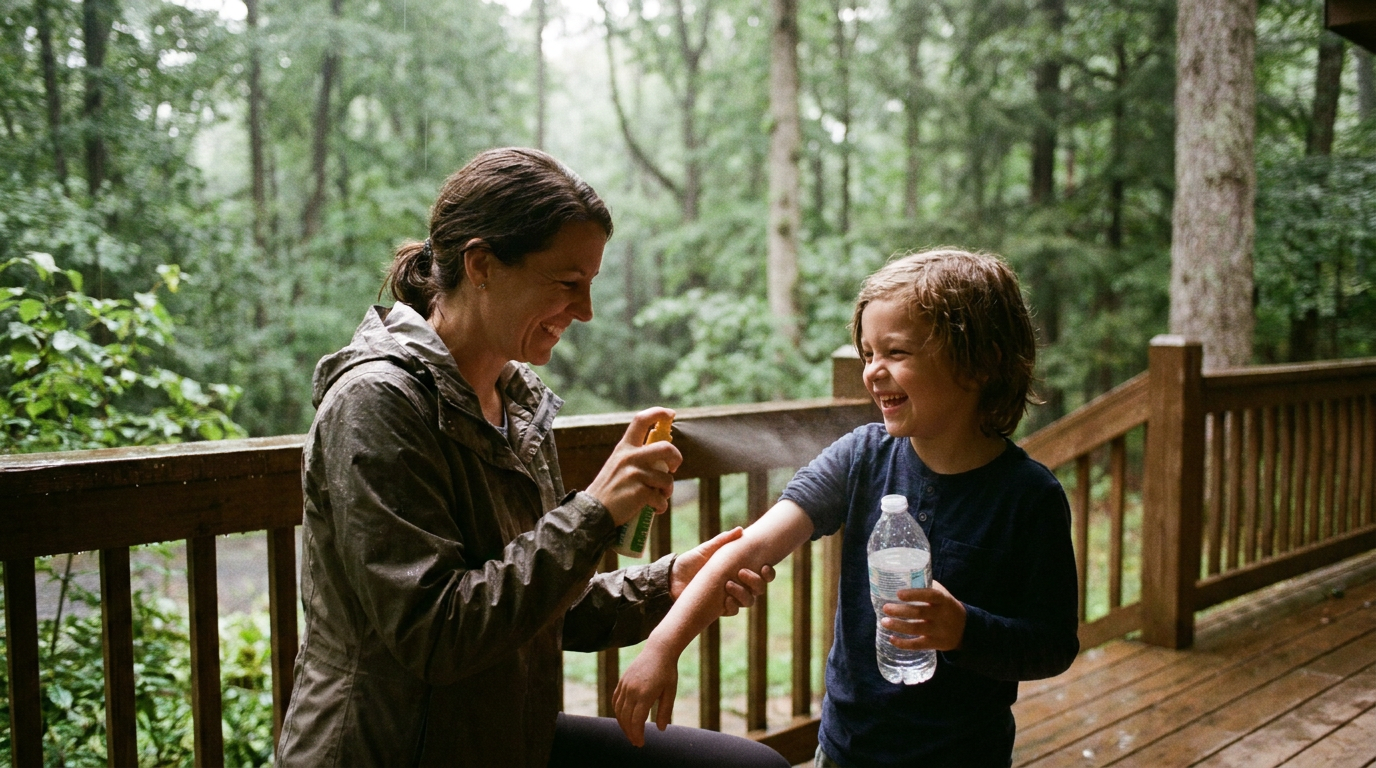
We get it—hearing about tropical bugs can be a major worry when you're planning a family trip. But we're here to reassure you that with a few simple, smart precautions, you can enjoy everything our beautiful corner of Costa Rica has to offer without letting mosquitoes spoil the fun.
Mosquitoes in Costa Rica, especially with kids, are a manageable concern with the right precautions. They are most active during the green season (May-November) at dawn and dusk. To stay safe, use an EPA-approved repellent, wear lightweight long sleeves and pants during peak hours, and choose accommodations with screened windows or AC.
The Real Deal: How Bad Are Mosquitoes in the Arenal & Venado Area?
Let's set the record straight: you will not be swarmed by clouds of mosquitoes 24/7. That's a myth. In our area, about 45 minutes from La Fortuna, the reality is much calmer. Because we're situated in rolling hills with good air circulation, we have noticeably fewer mosquitoes than the hot, humid, and still air of the coastlines.
That said, they are a fact of life in the tropics, especially now, during the green season (roughly May to November). You'll encounter them most frequently in the early morning and as the sun begins to set. They are also more common in deeply shaded, jungly areas with little airflow, like near the entrance to a dense trail.
During the middle of the day, when the sun is out, you'll hardly notice them. The key isn't to fear them, but simply to be prepared for those peak hours.
Understanding Dengue Fever: A Practical Look for Parents
Dengue fever is a viral illness transmitted by the Aedes aegypti mosquito, which is active during the day. It's a topic that rightly concerns parents, and it's wise to be informed. In Costa Rica, the Ministry of Health actively monitors and manages dengue cases. While it exists throughout the country, it's important to view it with preparedness, not panic.
For most people, dengue feels like a very bad flu (fever, headache, body aches, rash). The most important thing you can do is prevent mosquito bites in the first place. If someone in your family develops these symptoms, it's important to see a doctor for diagnosis and care. La Fortuna has several good clinics and a hospital for medical needs.
Your Anti-Mosquito Toolkit: What to Pack and Buy
Being prepared is 90% of the battle. You can bring everything you need from home or easily find it in La Fortuna. Here's what we recommend keeping in your daypack.
- EPA-Registered Insect Repellent: This is your most important tool. Look for active ingredients like Picaridin (our favorite for kids), DEET (20-30% concentration is effective), or Oil of Lemon Eucalyptus (OLE).
- Lightweight Long-Sleeved Shirts & Pants: Packing a few light, breathable long-sleeved options is perfect for evenings on the deck or walks at dusk. Light colors are often recommended.
- Loose-Fitting Clothing: Mosquitoes can sometimes bite through tight-fitting clothes like yoga pants. Loose linen or cotton is a better barrier.
- Socks: Mosquitoes often target ankles, so having socks for the evening is a simple but effective trick.
- Anti-Itch Cream: For the occasional bite that gets through, a hydrocortisone cream or after-bite stick can be a lifesaver for itchy kids.
If you forget your repellent or run out, don't worry. You can buy effective, familiar brands at any supermarket like Mega Super in La Fortuna or at local pharmacies such as Farmacia Fischel.
Daily Habits for a Bite-Free Vacation
Integrating a few simple habits into your daily routine will make bite prevention second nature.
- Morning Application: Apply repellent after your sunscreen has soaked in, before you head out for the day's adventures.
- Reapply in the Afternoon: As evening approaches, reapply repellent, especially before settling down for sunset views or heading out to dinner.
- Keep Doors Closed: While our windows are screened, it's a good habit to keep the main doors to the house closed, especially in the evening, to prevent bugs from following you inside.
- Use the AC at Night: The air conditioning in the bedrooms at Casa Venado not only keeps you cool but also deters any stray mosquito that might have found its way inside, ensuring a peaceful sleep.
- Dump Standing Water: Mosquitoes breed in stagnant water. After a rain shower, we always do a quick check to empty any water that has collected in buckets or pots around the deck.
Choosing the Right Repellent for Your Kids
Not all repellents are equal when it comes to children. Here’s a quick breakdown based on CDC guidelines and our experience as hosts.
Always apply repellent to your own hands first, then rub it onto your child's skin, avoiding their eyes, mouth, and any cuts or irritated skin. Wash your hands afterward. For more tips on what to pack for the wetter months, check out our guide to packing for the green season.
Beyond Mosquitoes: Other Costa Rican Bugs to Know
While mosquitoes get all the attention, Costa Rica is bursting with incredible insect life—most of it harmless and fascinating! From our deck, you’ll hear the loud but benign chorus of cicadas. You might see tiny sugar ants in the kitchen if a crumb is left behind (just wipe it up, and they'll move on).
More excitingly, you’ll see dazzling Blue Morpho butterflies, bizarre-looking rhinoceros beetles, and colorful leaf-cutter ants marching in determined lines. At night, the air fills with the chirps of countless frogs. We encourage our guests, especially the little ones, to see this as part of the adventure. For a deeper dive, explore our kid-friendly guide to Costa Rica's frogs and bugs.
What if a Bite Looks Bad or Someone Gets Sick?
First, don't panic. Most bug bites are just itchy and annoying. However, if you notice a bite that looks infected (very red, swollen, hot to the touch) or if your child develops a sudden high fever with a severe headache and body aches, it's time to see a doctor.
La Fortuna has excellent medical facilities for travelers. There are several private clinics that are accustomed to treating tourists, and they can diagnose and provide care quickly. We are always available to help our guests find the right clinic and provide directions.
With a little bit of knowledge and a few simple tools, you can put bugs in the back of your mind and focus on what you came for: adventure, nature, and unforgettable family memories. We're here to help make sure your stay is comfortable and worry-free.
Common questions
- Is dengue fever a big problem in La Fortuna and Venado?
- Dengue exists throughout Costa Rica, but widespread outbreaks in our area are uncommon. Following standard mosquito bite prevention, like using repellent and covering up at dusk, drastically reduces the risk for your family.
- Do we need mosquito nets at Casa Venado?
- No, you don't. All the windows at Casa Venado have screens, and the bedrooms are equipped with air conditioning, which deters mosquitoes and keeps you comfortable at night.
- What's the best bug spray for kids in Costa Rica?
- For children over two months, we recommend a repellent with Picaridin or a low concentration of DEET (10-30%). The CDC advises against using Oil of Lemon Eucalyptus on children under three years old.
- Are mosquitoes worse during the rainy season?
- Yes, there are typically more mosquitoes during the green season, from May through November. However, our location in the Venado hills has better air circulation and fewer mosquitoes than low-lying coastal areas.
- Can we buy good insect repellent in Costa Rica?
- Absolutely. You can find familiar brands with DEET or Picaridin in any major supermarket in La Fortuna, like Mega Super, or at pharmacies like [[VENUE: Farmacia La Fortuna | Pharmacy | La Fortuna]].