Costa Rica's Famous Frogs, Bugs & Other Critters: A Kid-Friendly Guide
2026-07-29 · 7 min read
Some of the biggest memories from a Costa Rica trip are of the smallest creatures. For kids especially, the thrill isn't just the volcano—it's the tiny, electric-green frog hiding on a leaf or the shimmering blue flash of a morpho butterfly. We love helping families connect with these little wonders.
Costa Rica is home to over 150 species of frogs, including the iconic red-eyed tree frog, which is best spotted on guided night walks. While you'll also see incredible insects like blue morpho butterflies, it's wise to be aware of scorpions and mosquitoes. Safely spotting these critters is a true highlight for families visiting the Arenal area.
The Stars of the Show: Costa Rica's Famous Frogs
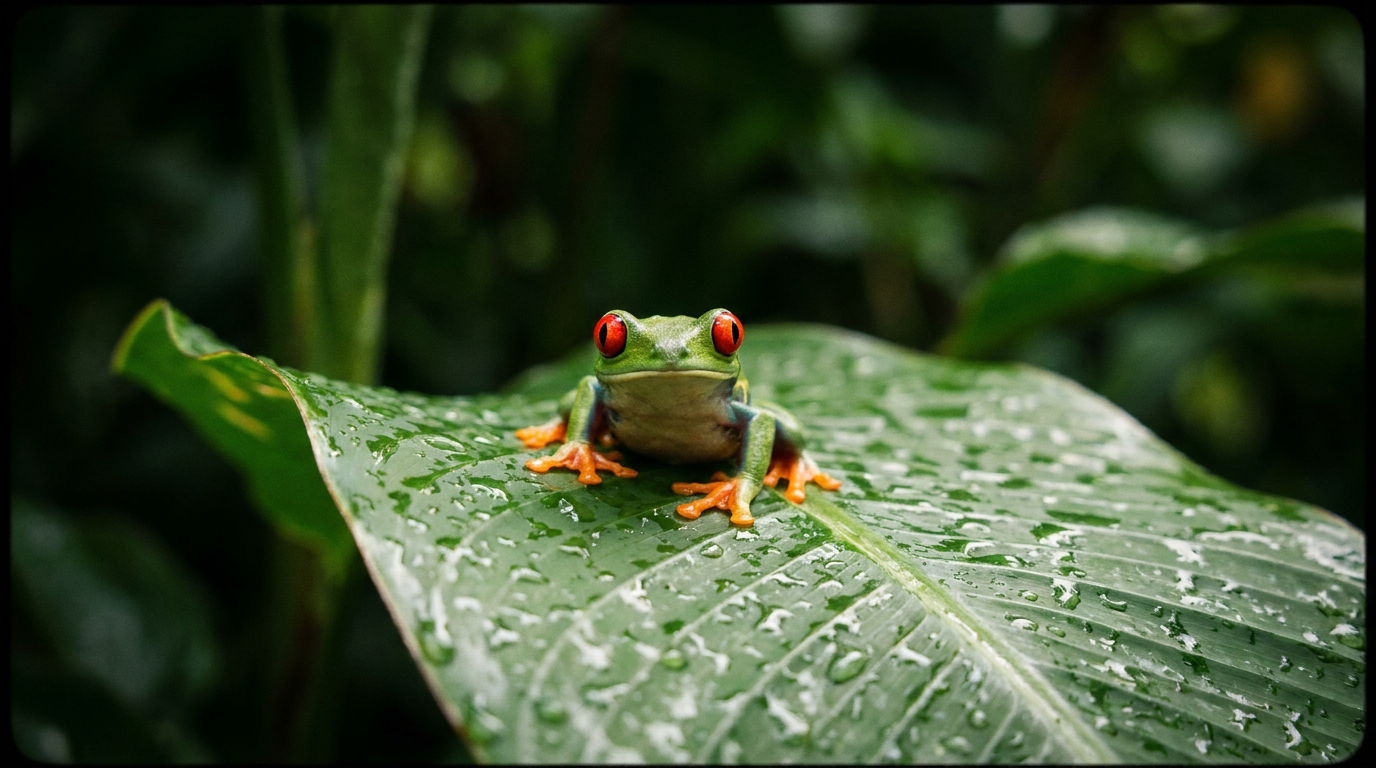
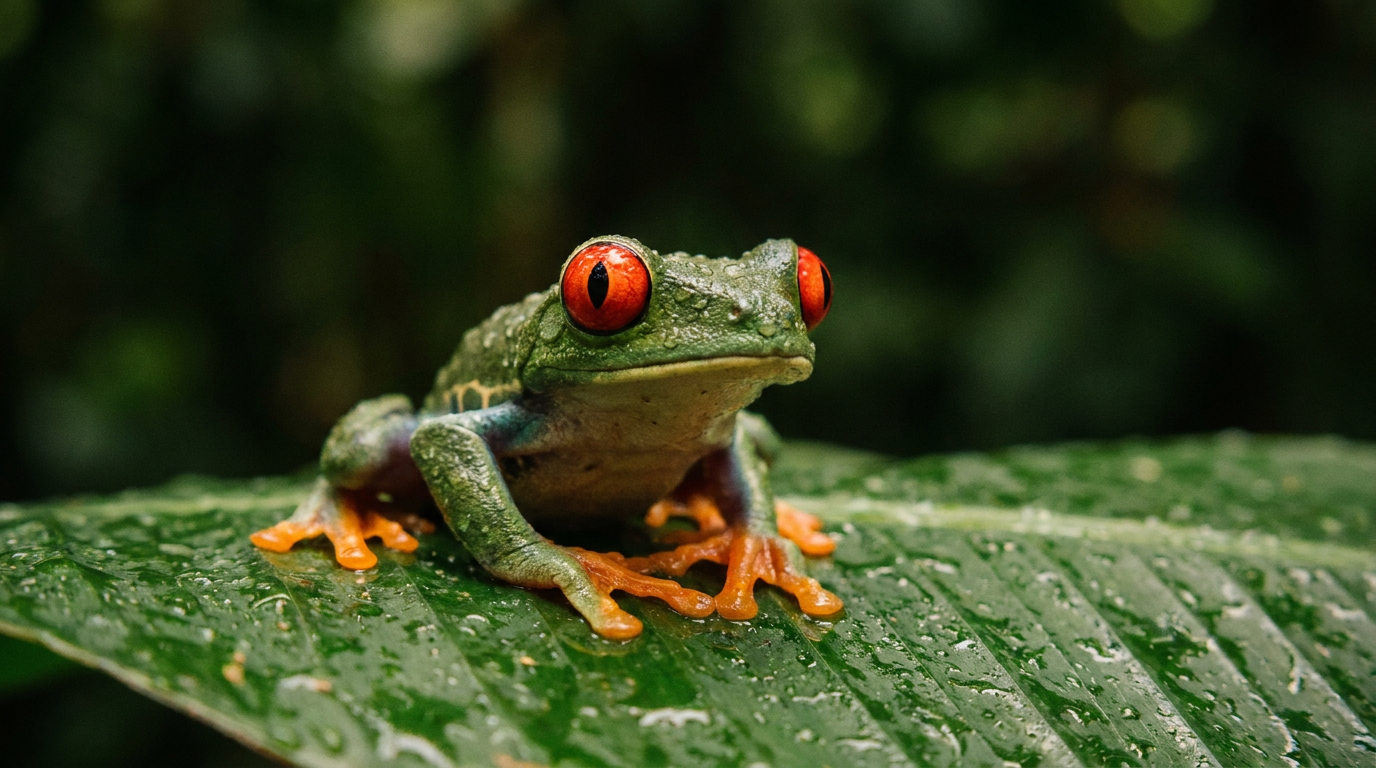
When people think of Costa Rican wildlife, the red-eyed tree frog is usually the first image that comes to mind. With their shocking red eyes, bright green bodies, and orange feet, they are truly spectacular. But they are also tiny—about the size of a child's thumb—and completely nocturnal. You won't see them hopping around during the day.
But they're just the beginning. The Arenal area is a hotspot for amphibians. Here are a few others to look for:
- Glass Frogs: These marvels have translucent bellies, meaning you can literally see their internal organs! They are incredibly difficult to spot, but a good guide can often find them on leaves overhanging streams.
- Poison Dart Frogs: The strawberry poison dart frog (or "blue jeans" frog) is a tiny, brightly colored frog that is active during the day. Its bright colors warn predators that it's toxic if eaten, but it's perfectly safe to observe.
- Dink Frogs & Others: You'll hear a chorus of chirps and "dinks" every evening. These sounds come from countless other species that are part of the rainforest's nightly symphony.
Where (and How) to Find Frogs Near Casa Venado
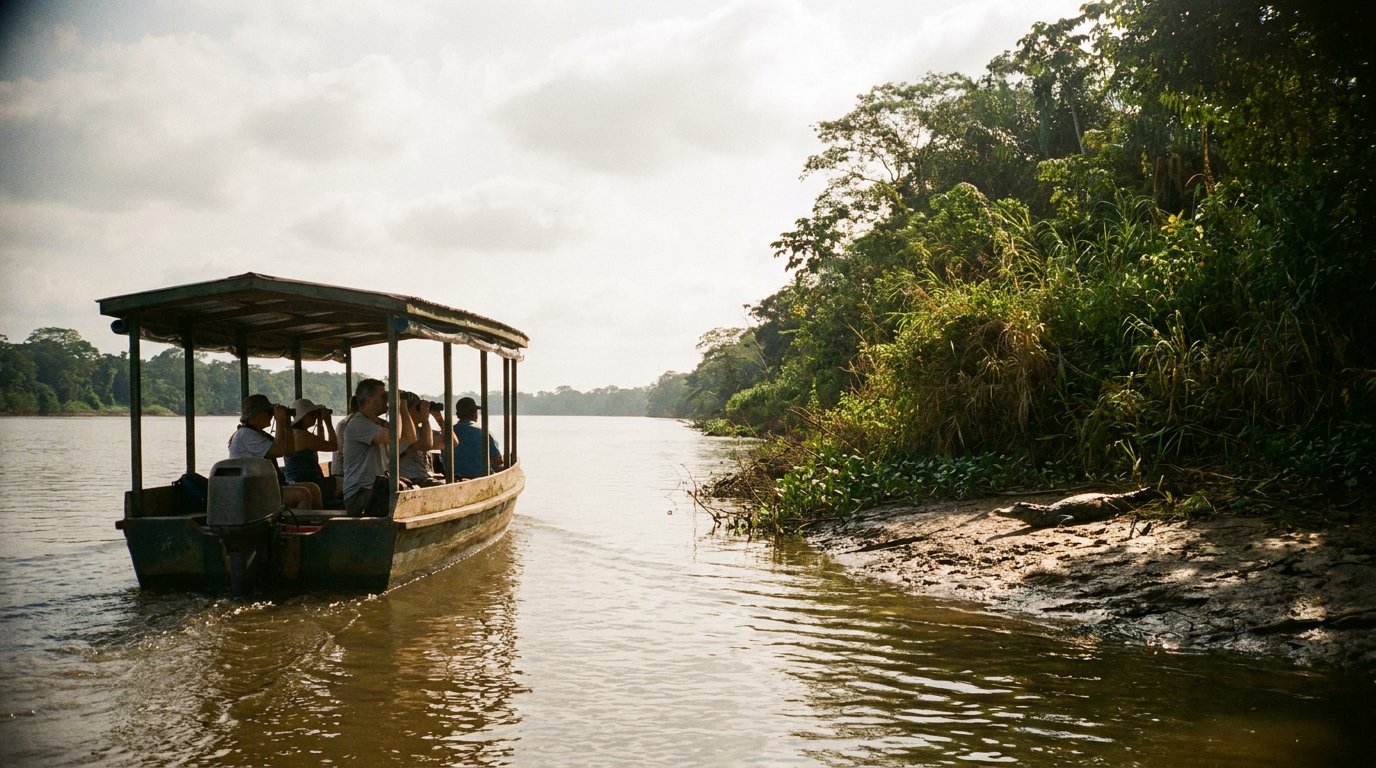
Finding these tiny amphibians requires a strategy. While you can get lucky, the most reliable and rewarding way to see frogs is by joining a guided night walk. Local guides have eagle eyes and know exactly which leaves to turn over and which ponds to check. They also carry the right kind of lights that illuminate the animals without distressing them.
Several dedicated frog gardens and wildlife reserves near La Fortuna offer excellent tours. We particularly recommend a visit to Ecocentro Danaus, a small ecological reserve where you can see frogs, sloths, birds, and a butterfly garden. Their guided night walks are fantastic for families.
Another option is to ask us about arranging a more private tour with a local guide right here in the Venado area. They can take you to their favorite spots that are off the main tourist circuit, offering a quieter and more personal experience.
A Guide to Costa Rica's Incredible Insects
Beyond frogs, the world of insects here is mind-boggling. Forget the pests; many of Costa Rica's bugs are rock stars in their own right. Keep an eye out for these, as they are just as exciting for kids to spot as a monkey or sloth.
- **Blue Morpho Butterflies:** You can't miss the electric-blue flash of a morpho. These huge butterflies are often seen along roadsides and forest clearings.
- **Leaf-Cutter Ants:** Look for long, moving lines of green on the forest floor. These are leaf-cutter ants carrying pieces of leaves back to their massive underground nests to grow fungus for food.
- **Cicadas:** The deafening buzz you hear in the afternoons comes from cicadas. Finding their shed exoskeletons on tree trunks is a fun treasure hunt for kids.
- **Walking Sticks & Leaf Insects:** The masters of camouflage! These are a true challenge to spot, but it's incredibly rewarding when you finally see that a "twig" has legs.
Many of the same places you'd go for frogs, like the reserves around La Fortuna, are also fantastic for insect spotting. Even a quiet walk down the country lanes surrounding Casa Venado will reveal an amazing diversity of insect life.
The Creepy Crawlies: Spiders, Scorpions, and What to Know
It's natural for parents to worry about the less-cuddly critters. We live here, and we can assure you that with a few simple precautions, there's very little to fear. The most important rule we teach our own kids is "look, but don't touch."
Scorpions: Yes, there are scorpions in Costa Rica. They are nocturnal and shy, and they don't want anything to do with you. The species found in our area are not considered dangerous; their sting is typically comparable to a bee or wasp sting. The main precaution is to shake out shoes, clothes, and towels before using them, especially if they've been left on the floor.
Spiders: Costa Rica has some big, impressive-looking spiders, like the golden-orb weaver. They build huge, beautiful webs to catch insects. They are harmless to humans and much prefer to stay in their webs. You're not going to find them crawling into your bed.
Even the famous underground world of the Venado Caves, just five minutes from our door, has its own unique ecosystem of spiders and other crawlies that are fascinating to see with a guide.
Other Little Critters You Might Encounter
Once you start looking closely, you'll find life everywhere. The line between "bug" and "animal" blur as you notice all the other small creatures sharing the environment. Be on the lookout for:
- Lizards: Anoles and geckos are everywhere. You'll see them scurrying up walls and doing little "push-ups" on fence posts. They are fun to watch and completely harmless.
- Coatis (Pizotes): While not exactly "little," these raccoon-like animals often travel in large family bands and are constantly sniffing the ground for grubs and fallen fruit. They are a common and delightful sight.
- Stick Insects: These are true masters of disguise and a thrill to spot. What looks like a simple twig might just get up and walk away!
Learning to spot these smaller animals is a great primer for finding the bigger ones. It trains your eyes to look for movement and things that seem out of place—great skills for any wildlife walk. For more on that, see our guide to wildlife spotting near Arenal.
Tips for a Kid-Friendly Critter Hunt
Turning a walk into a critter hunt is a sure way to keep kids engaged. It transforms a simple hike into an adventure and is one of our favorite activities, as many creatures are more active in the wet weather.
Above all, the key is to slow down. The magic of the rainforest reveals itself to those who are patient and observant. That's a lesson that's just as valuable for adults as it is for kids. Happy hunting!
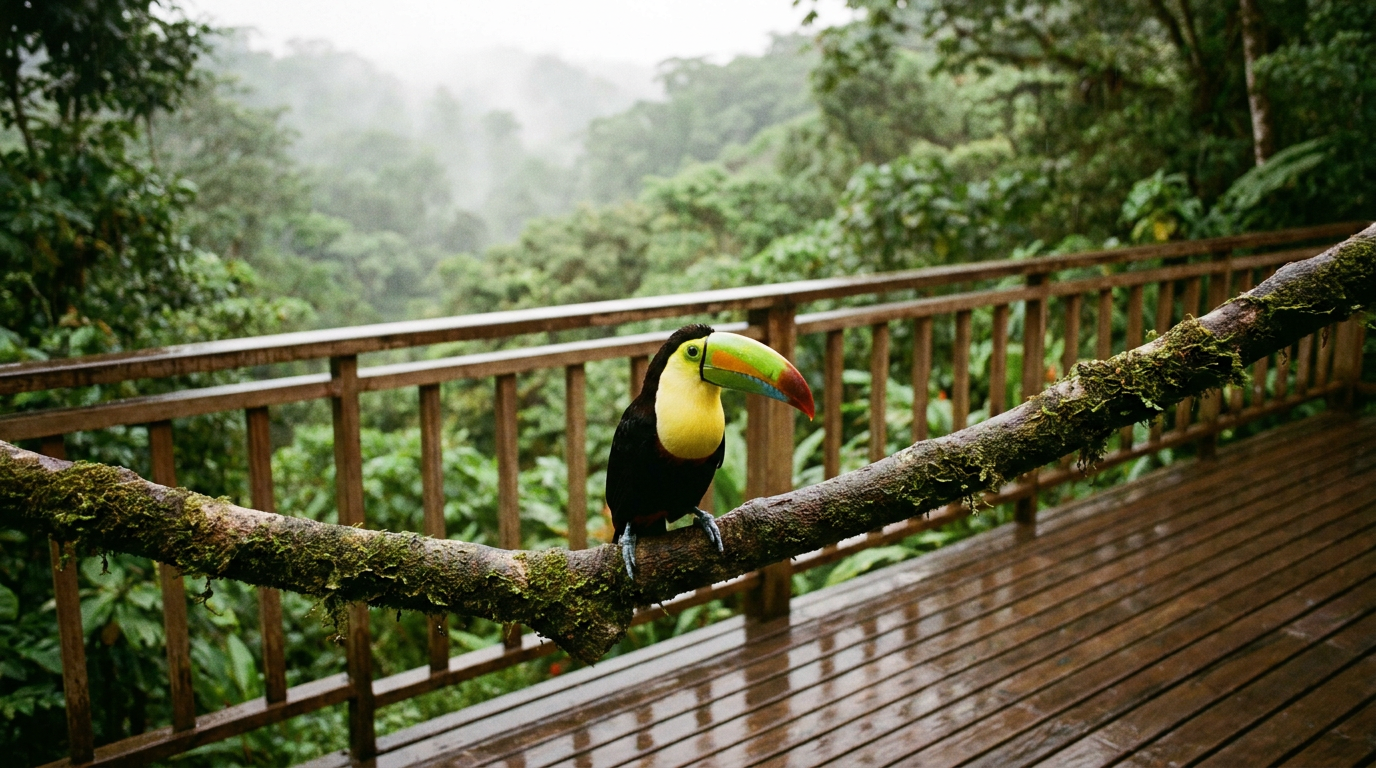
We love sharing this vibrant, tiny world with our guests. If you have any questions about booking a tour or what you can see from our deck, please don't hesitate to ask.
Common questions
- Is it safe to look for frogs at night with kids?
- Yes, absolutely, as long as you go with a professional guide. They know the terrain, carry the proper equipment, and are experts at spotting wildlife safely without disturbing it.
- Are the poison dart frogs in Arenal dangerous?
- They are not dangerous to observe. The poison is in their skin and is only a threat if the frog is ingested. You can safely watch and photograph them from a respectful distance.
- What's the best time of year to see frogs in Costa Rica?
- The green season (roughly May to November) is fantastic for frog spotting. The afternoon and evening rains make the frogs more active and vocal, especially around our part of the country near Venado.
- Will we see scorpions or big spiders in Casa Venado?
- It's possible to see them, as Casa Venado is in a rural country setting. Encounters inside the house are rare, but we always advise checking shoes before putting them on. They are shy and generally avoid people.
- Do we need special gear for a night walk?
- Not really! The most important things are closed-toe shoes and long pants. Your guide will provide high-powered flashlights, but bringing a small one for your kids can make it more fun for them.