Sloths, Monkeys & Coatis: A Guide to Wildlife Spotting Near Arenal & La Fortuna
2026-07-10 · 7 min read
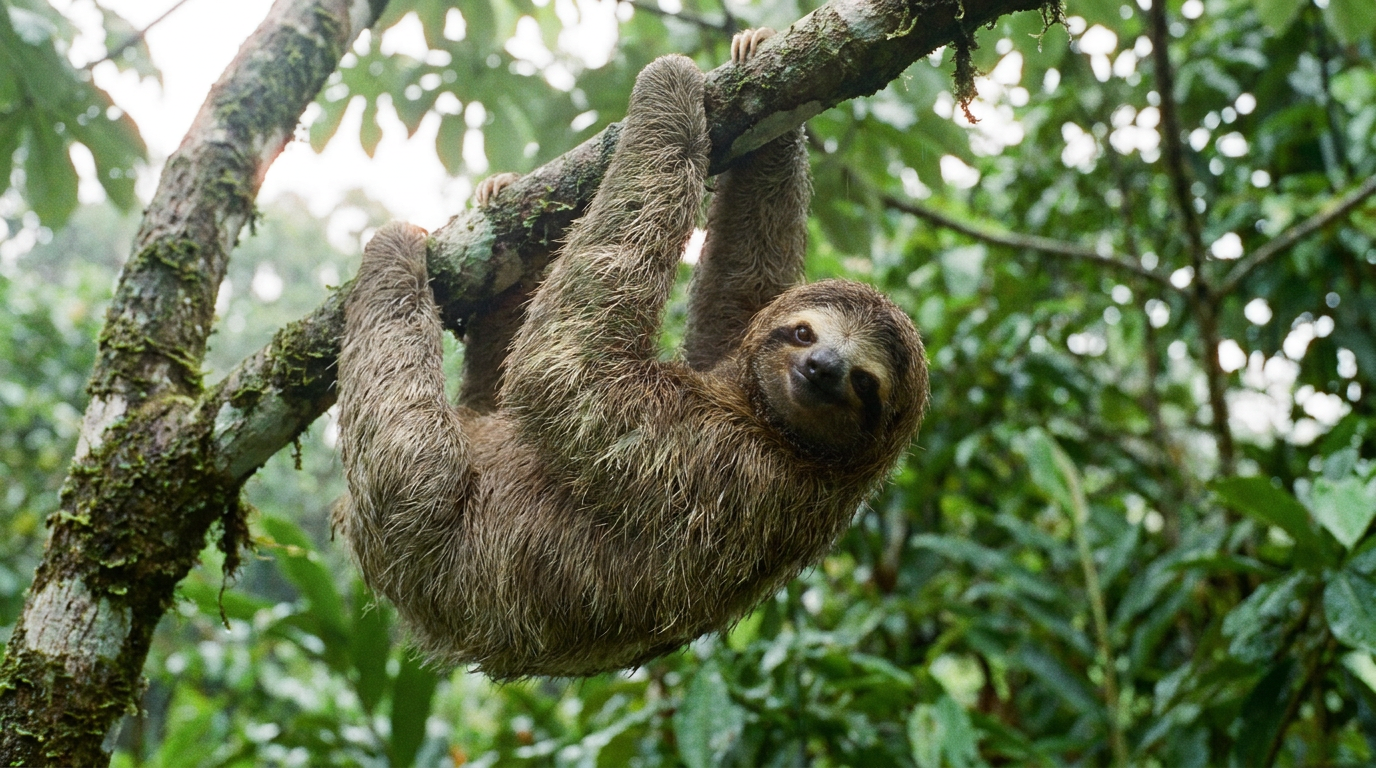
One of the most frequent questions we get is, “Where can we see a sloth?” We completely understand—spotting Costa Rica's incredible mammals in their natural habitat is an unforgettable part of any visit. We love helping our guests connect with the wilder side of the Arenal region.
The best places to see sloths and other mammals near Arenal are dedicated wildlife refuges like Ecocentro Danaus, guided walks along trails specifically managed for sightings, and the forests of Arenal Volcano National Park. Hiring a local guide with a spotting scope is the most reliable way to see them.
Why a Guide is Your Secret Weapon for Spotting Wildlife
While you can certainly get lucky on your own, hiring a local naturalist guide transforms the experience. Sloths, in particular, are masters of camouflage. They spend most of their lives motionless, high in the canopy, often looking just like a wasp nest or a ball of dead leaves. A guide’s trained eyes can pick them out in seconds.
More importantly, they carry high-powered spotting scopes. This is the difference between seeing a fuzzy gray blob 100 feet up and seeing every detail of a sloth’s sleepy face, right down to the algae growing on its fur. They can also identify calls, spot tracks, and share incredible details about the animals' behavior and the forest ecosystem. It turns a simple walk into a deep, educational experience.
The Best Places for Sloth Sightings
If seeing a sloth is at the top of your list, your best bet is to visit a place where the habitat is actively managed for wildlife viewing. These aren't zoos, but private reserves where guides know the resident sloths' favorite trees and daily habits. The trails are typically flat and easy to walk.
Here are a few excellent options near La Fortuna that we consistently recommend:
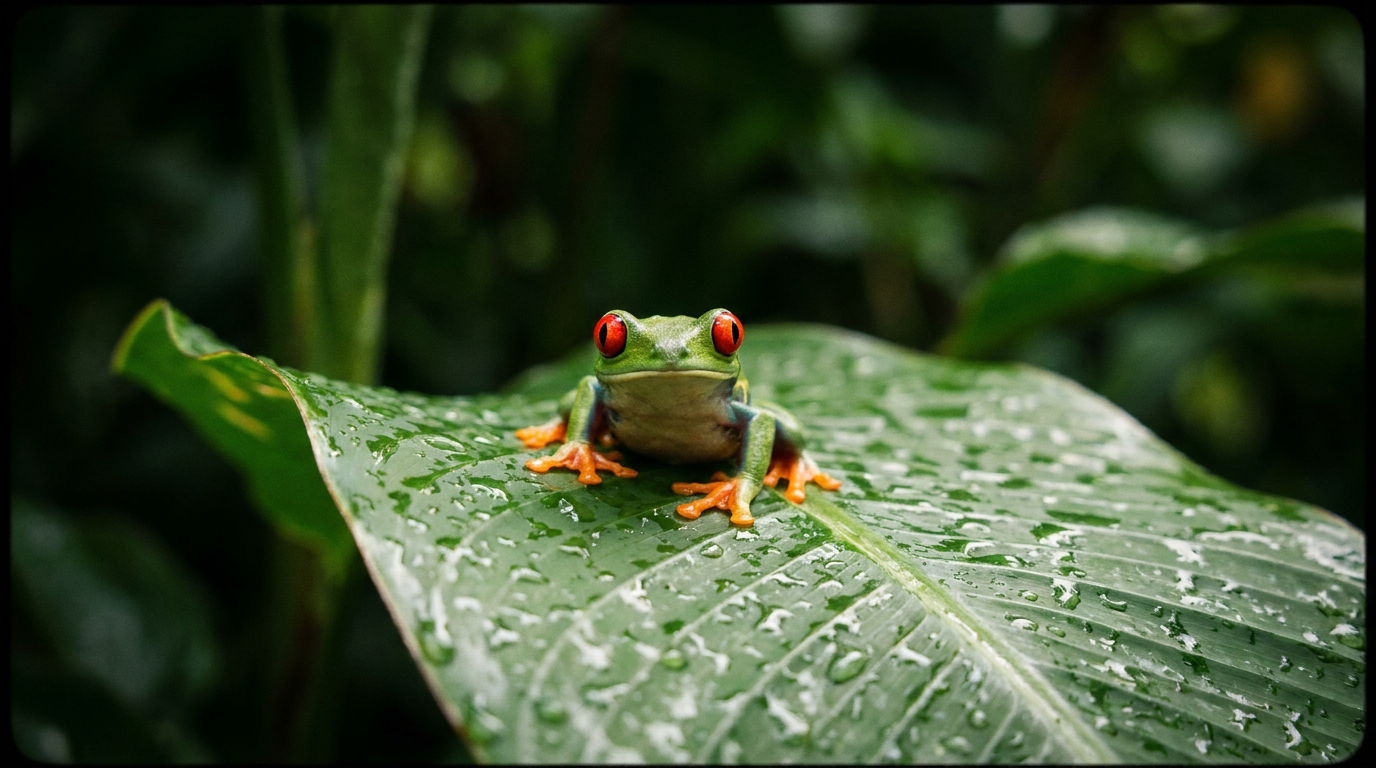
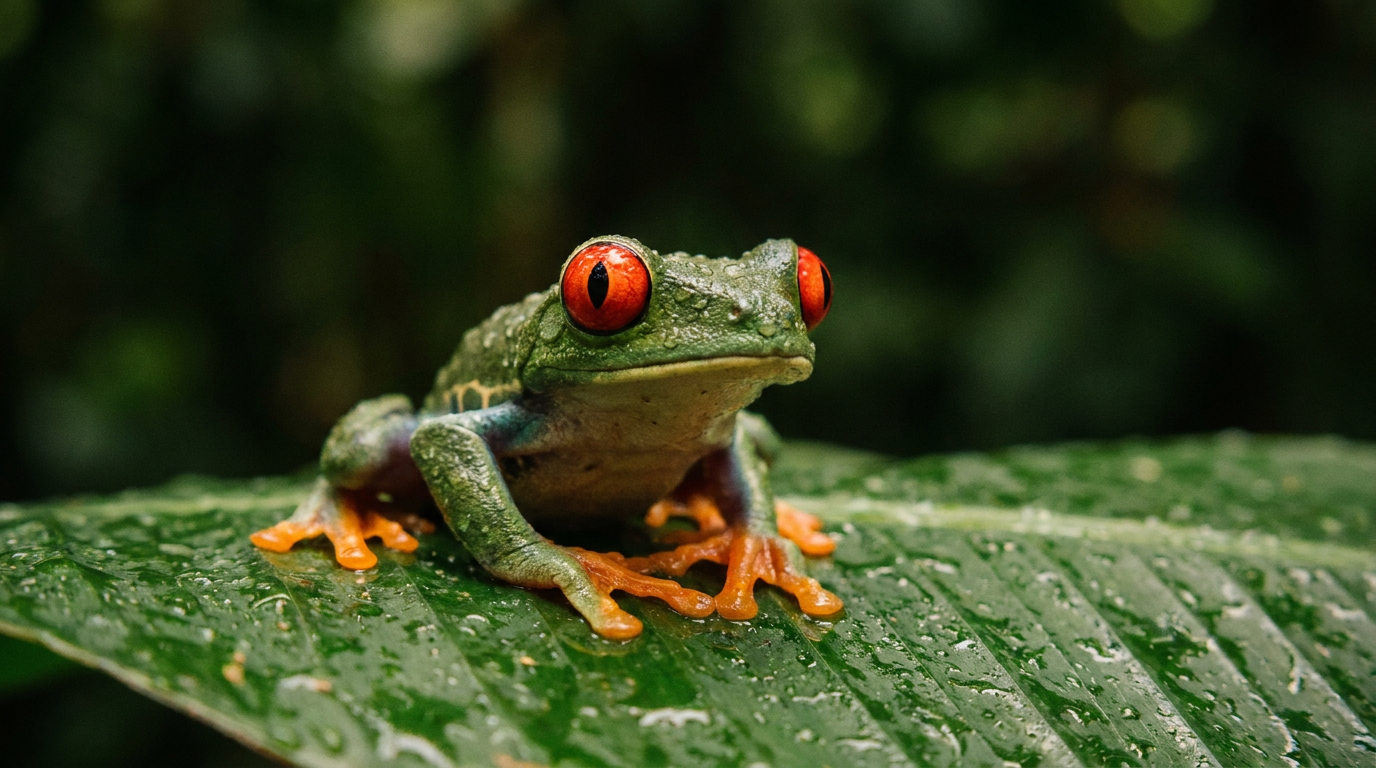
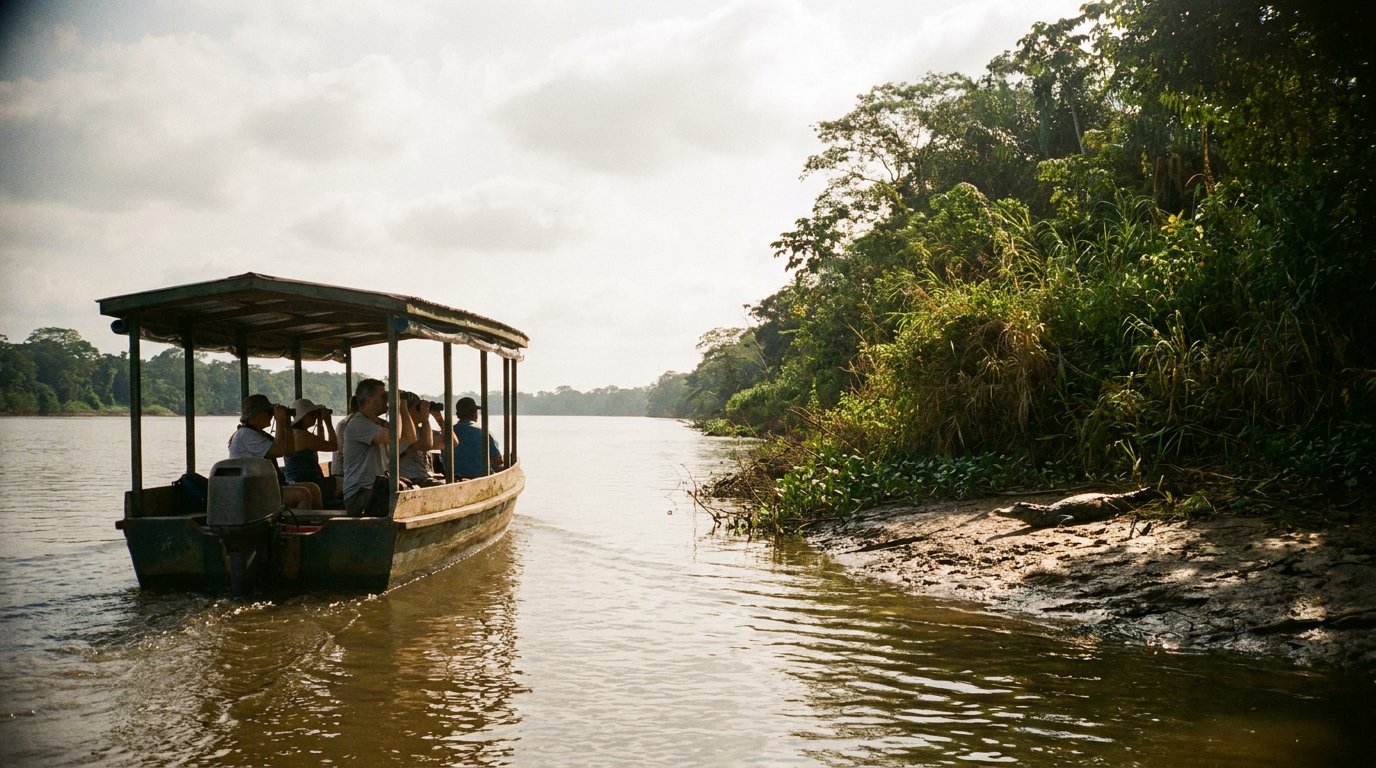
Ecocentro Danaus: A wonderful ecological reserve with a mix of habitats. In addition to sloths, you can see caimans, beautiful frogs, and an incredible number of birds. The trails are very accessible for all ages.
Bogarin Trail: Located right on the edge of La Fortuna town, this trail is a surprising oasis. It's a fantastic project where a former cattle pasture has been reforested over decades, and it's now a haven for sloths.
Sloth's Territory: As the name suggests, this place is all about sloths. It's a small, family-run project with a focus on observation and education. The guides here are experts at finding both two-toed and three-toed sloths.
We're always happy to help you arrange a tour with a trusted local guide at one of these spots.
Spotting Monkeys: Howler, Spider, and Capuchin
Unlike the quiet sloth, you'll often hear monkeys before you see them. The Arenal area is home to three species, each with its own personality.
Mantled Howler Monkeys: You can’t miss their call—a deep, guttural roar that echoes for miles, especially at dawn and dusk. They are the largest of the three and move slowly through the canopy, feeding on leaves.
Geoffroy's Spider Monkeys: These long-limbed acrobats are incredibly agile, using their prehensile tails as a fifth limb to swing through the trees. They travel in larger groups and are fascinating to watch.
White-Headed Capuchins: Smart, curious, and highly social, these are the monkeys you often see in movies. They are very active, foraging for fruit, insects, and anything else they can find.
Good places to look for monkeys include the trails at Arenal Volcano National Park and high in the canopy at hanging bridge parks like Mistico Hanging Bridges.
The Curious Case of the Coati
One of our favorite and most commonly seen mammals is the white-nosed coati, or pizote. Related to raccoons, these animals have long snouts for sniffing out insects, lizards, and fruit on the forest floor. They are highly social and often travel in large, noisy groups called bands.
You'll frequently spot them along the roadsides near national parks or foraging on the trails. Their tails, often held straight up in the air, act like flags to help the group stay together as they move through the underbrush. While they can seem tame, it's crucial to remember they are wild animals.
Wildlife Spotting from Casa Venado
While the big mammal action is concentrated closer to the national parks, the countryside around Casa Venado has its own quiet magic. From our deck, you’ll be treated to a daily show of toucans, parrots, hummingbirds, and chachalacas. The air is filled with birdsong.
Occasionally, a troop of howler monkeys will move through the river valleys below, and you can hear their impressive calls echoing up to the house in the morning. While seeing a sloth or monkey from the property is rare, the quiet country lanes surrounding the house are perfect for peaceful walks where you can spot countless birds, butterflies, and other small wonders.
A quiet morning with coffee on our deck, listening to the jungle wake up, is a wildlife experience all its own.
Many of these prime wildlife spots are along unpaved roads. Having the right vehicle can make a big difference in comfort and accessibility when getting to these less-traveled spots.
Your Family-Friendly Wildlife Spotting Kit
Coming prepared makes the experience more enjoyable for everyone, especially kids. A little planning can turn a simple walk into a full-blown expedition.
Here’s what we recommend bringing on any wildlife walk:
- Binoculars: Absolutely essential. Even a basic pair makes a huge difference.
- Closed-toe shoes: Trails can be muddy and uneven. Protect your feet.
- Rain jacket: This is the rainforest! Showers can pop up anytime.
- Insect repellent: A good idea, especially for hikes near dusk.
- Water and snacks: Keep energy levels up.
- A camera with a zoom lens: Your phone is great, but a zoom lens will get you much better shots.
- Quiet voices and patience: The most important tools of all!
Spotting wildlife is one of the true joys of visiting Costa Rica. It connects you to the incredible biodiversity of this country in a powerful way. Whether it's the thrill of finally seeing that sloth or just watching a band of coatis bustle through the forest, these are the moments that become cherished memories.
We love helping our guests find these moments. Let us know what you're hoping to see, and we can point you in the right direction or connect you with a fantastic guide to make it happen. Consider us your local resource and Casa Venado your private basecamp for your family's adventures.
Common questions
- Can we see sloths from Casa Venado?
- It's very unlikely to see sloths from the house itself. The deck is fantastic for birdwatching—toucans, parrots, and more! For a reliable sloth sighting, you'll want to visit a dedicated reserve, which is about a 45-minute drive from us.
- Do we really need a guide to see wildlife?
- For sloths, we highly recommend it. They are masters of camouflage. For monkeys and coatis, you can often spot them on your own in places like Arenal Volcano National Park, but a guide will teach you so much more about their behavior.
- What's the best time of day for wildlife spotting?
- The golden hours are early morning (around 6-9 AM) and late afternoon (3-5 PM). Animals are most active during these cooler parts of the day and tend to rest in the midday heat.
- Is it safe to be around these animals in the wild?
- Yes, as long as you treat them with respect. The key is to observe from a distance, never feed them, and avoid making loud noises. A local guide will always ensure you have a safe and ethical encounter.
- What other animals might we see near La Fortuna?
- Keep your eyes peeled for agoutis (large jungle rodents), colorful poison dart frogs after a rain, green iguanas basking on riverbanks, and the dazzling Blue Morpho butterfly, which is a common sight in the Arenal area.