Green Season Wildlife: What You'll Actually See in Arenal in August & September
2026-08-20 · 7 min read
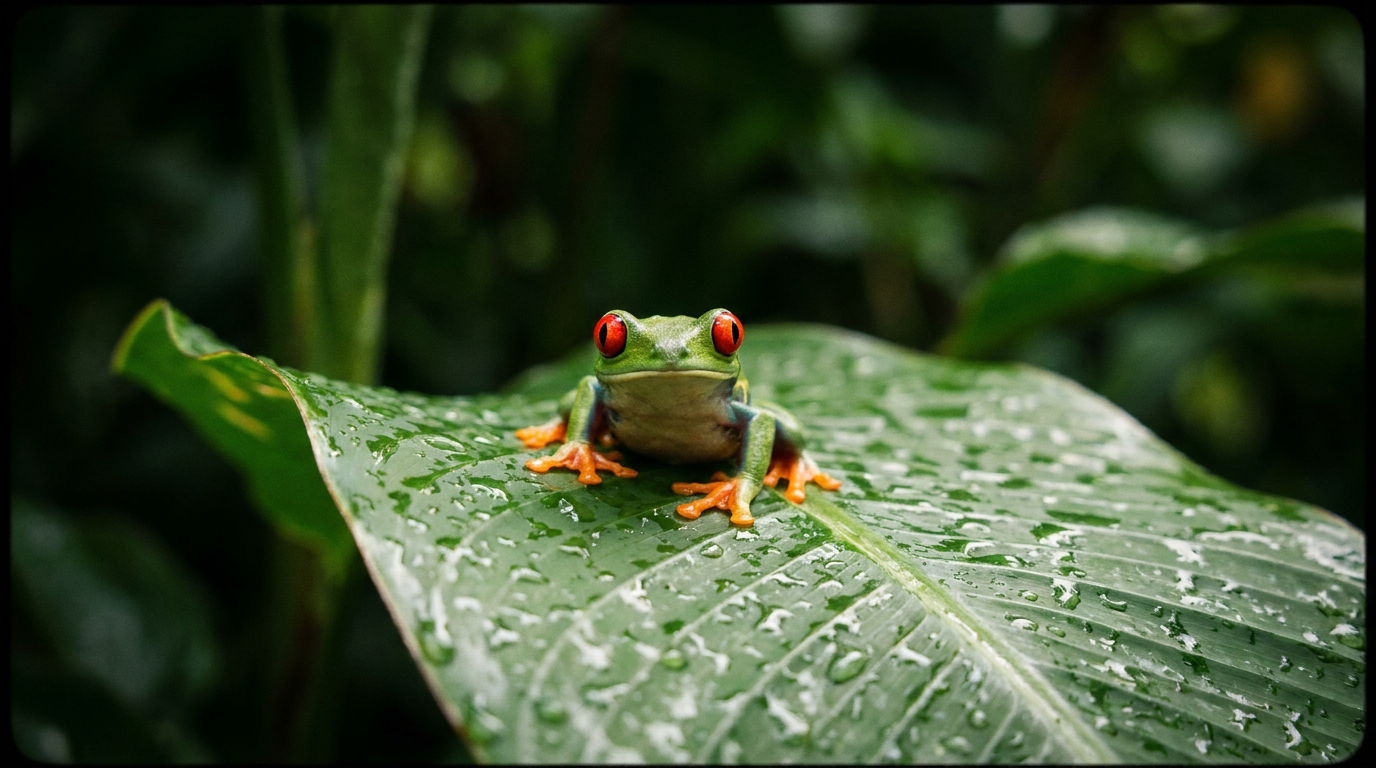
Wildlife viewing in Arenal during the August and September green season is fantastic. Expect to see vibrant amphibians like red-eyed tree frogs, abundant birdlife including toucans and hummingbirds, and active mammals like coatis and sloths, all thriving amidst the lush, rain-fed landscape that makes this time of year so special.
We often get asked if the “rainy season” is a good time to visit for wildlife. Our answer is a wholehearted yes! The green season, especially months like August, transforms the Arenal area into a buzzing, vibrant ecosystem. The afternoon showers are the engine of the rainforest, and many animals become more active, not less.
This isn't a time to hide from the weather; it's a time to embrace the incredible life it brings forth. Here’s a realistic guide to what you can expect to see.
Why the Green Season is a Secret Weapon for Wildlife Spotting
First, let's clear up what "green season" means. It doesn't mean it rains all day, every day. A typical day in August involves bright, sunny mornings perfect for hiking, followed by a period of rain in the afternoon, often clearing up by late afternoon. This daily cycle creates ideal conditions for wildlife.
Unlike the dry season, when animals might congregate around scarce water sources, the green season means food and water are everywhere. The forest floor comes alive, fruits and flowers are abundant, and the whole landscape feels supercharged with energy. For wildlife watchers, this translates to more activity and unique behaviors you won't see at other times of the year.
The sound of the rainforest after a fresh afternoon rain is something you'll never forget.
The Stars of the Show: Amphibians and Reptiles
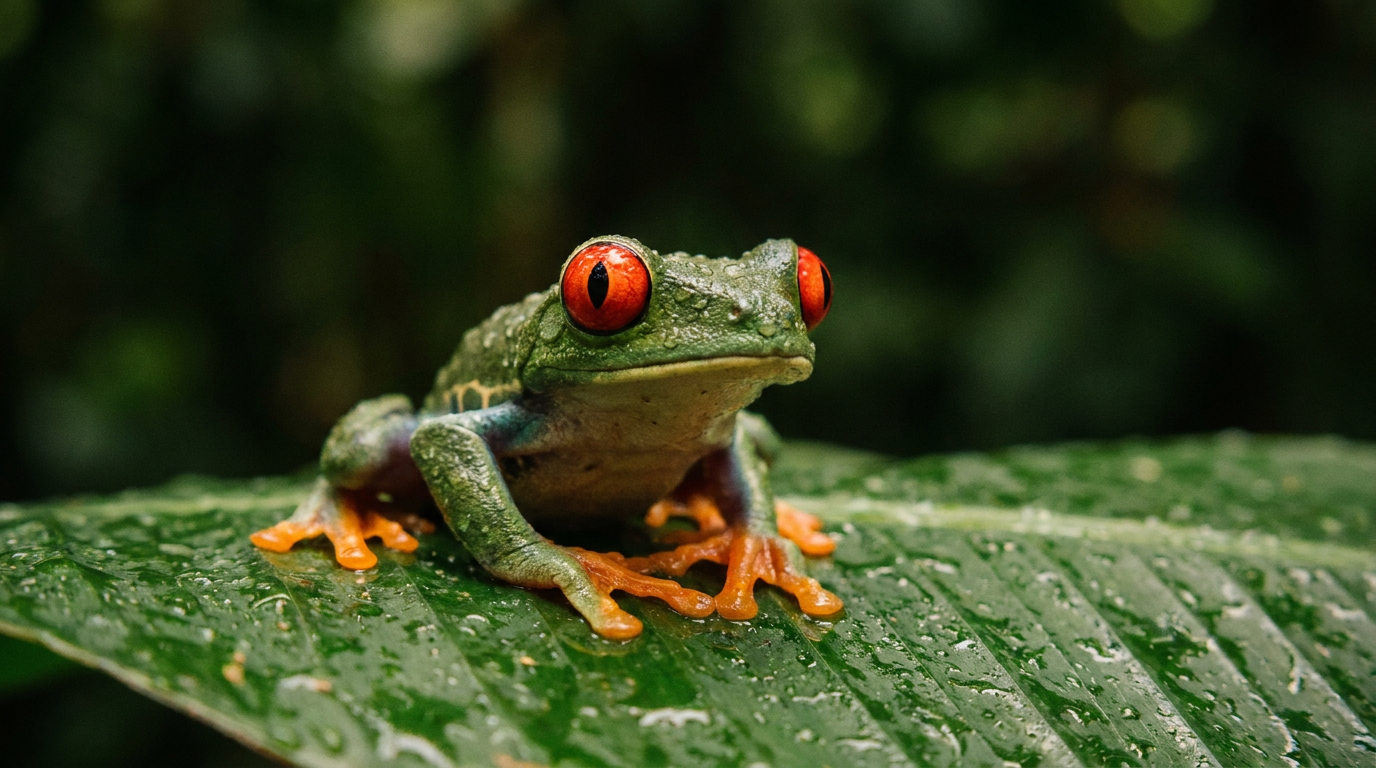
If there's one group of animals that defines green season wildlife viewing, it's the frogs. The moisture and humidity encourage them to come out, call for mates, and lay their eggs. They are far more active and vocal now than in the drier months, making them easier to find—if you know where to look.
Some of the colorful characters you might meet include:
- Red-Eyed Tree Frog: The undisputed poster child of Costa Rica. Their vibrant colors are breathtaking, and night tours are the best way to see them.
- Glass Frogs: Named for their translucent bellies, through which you can sometimes see their internal organs. Spotting one is a true rainforest treasure hunt.
- Poison Dart Frogs: These tiny, brightly colored frogs are active during the day. Look for the brilliant blue-and-black and the green-and-black species on the forest floor.
You'll also likely see plenty of reptiles. The basilisk lizard, famously known as the “Jesus Christ Lizard” for its ability to run on water, is common near streams. You might also spot iguanas sunning themselves on branches during the morning hours. For a deeper dive into these critters, check out our kid-friendly guide to Costa Rica's frogs and bugs.
Birdwatching in the Rain: A Guide for the Green Season
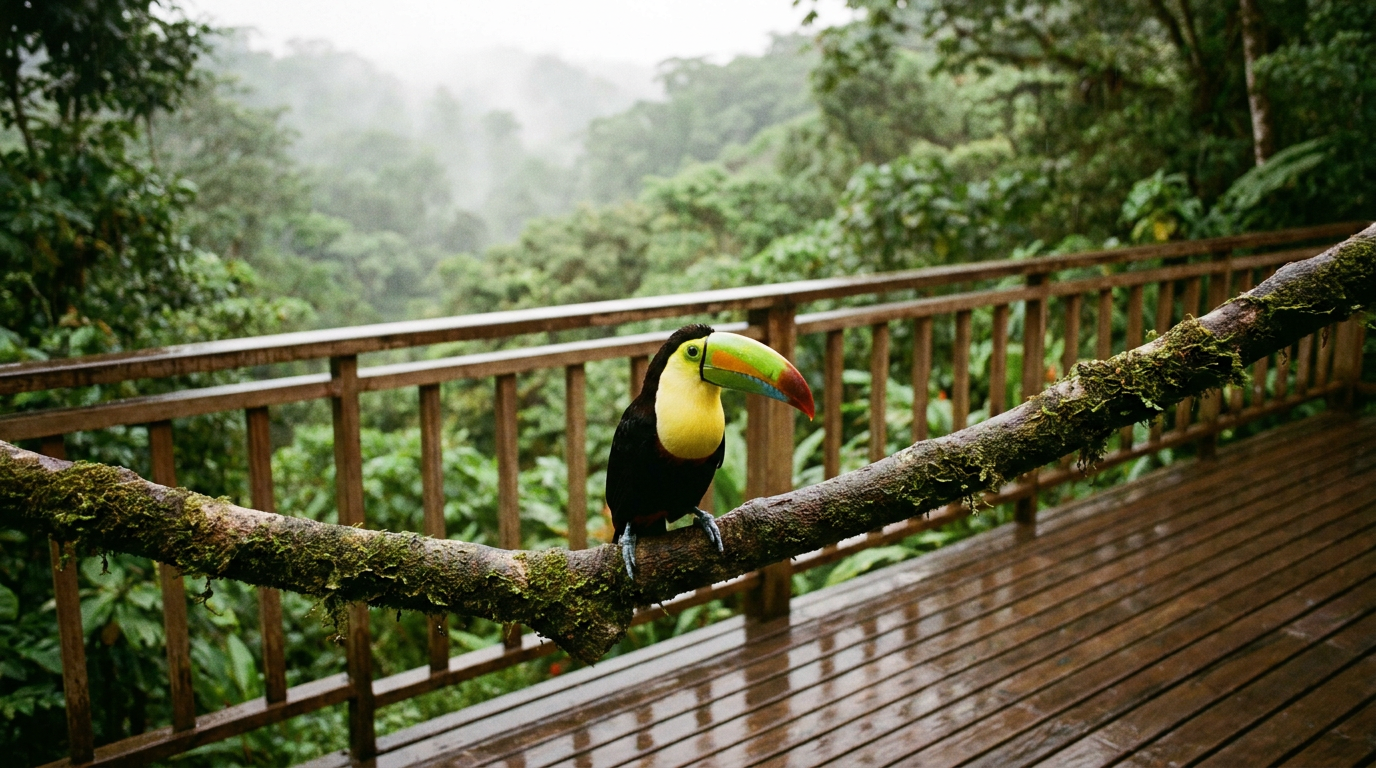
The birding in August and September is simply spectacular. While migratory species haven't arrived yet, the resident birds are out in full force. The rain encourages insects and fruits, providing a feast for many species. From our own deck at Casa Venado, you can put your binoculars to good use.
Keel-Billed Toucans, with their rainbow beaks, are frequently seen flying across the valley. You'll also hear the distinct calls of Montezuma Oropendolas and see flashes of color from tanagers and hummingbirds. The key is to listen and be patient. After a rain shower passes, birds often become very active, preening their feathers and feeding.
Finding Mammals: Sloths, Monkeys, and Coatis
Yes, you can still see sloths when it's rainy! While they might take cover during a heavy downpour, they are active during the dry periods, especially in the mornings. A guide is your best bet for spotting them, as they blend in remarkably well. Both two-toed and three-toed sloths live in the Arenal area.
Howler monkeys are impossible to miss—their deep, guttural calls travel for miles and often serve as a natural alarm clock. You'll also find troops of white-faced capuchin monkeys and, if you're lucky, the more elusive spider monkeys. Coatis (or pizotes) are very common, often seen foraging in groups along roadsides and trails.
For your best chances, we recommend walking the trails at Arenal Volcano National Park or the Bogarin Trail near La Fortuna, which is famous for its sloth population. Our guide to spotting local mammals has more tips.
Planning Your Green Season Wildlife Outing
A little preparation goes a long way in making your green season adventure comfortable and successful. The weather is part of the experience, not an obstacle!
What to Bring:
- A lightweight, breathable rain jacket. An umbrella is also very useful.
- Sturdy, closed-toe shoes with good grip. Waterproof hiking shoes are ideal.
- Quick-drying clothes. Avoid cotton, which stays wet for a long time.
- A good pair of binoculars. This is probably the single most important tool for wildlife spotting.
- A dry bag for your phone, camera, and wallet.
- Insect repellent, especially for dusk and dawn.
We always recommend hiring a local guide for at least one outing. Their ability to spot a tiny frog, a well-camouflaged snake, or a sloth high in the canopy is truly a skill. It will completely change what you see. For general exploration, check out our guide to the best Arenal adventures and activities.
Beyond Arenal: Green Season Day Trips
Our location in Venado is a great base for exploring the wider Northern Lowlands, which are also teeming with life during the green season.
| Caño Negro Wildlife Refuge | Río Celeste |
|---|---|
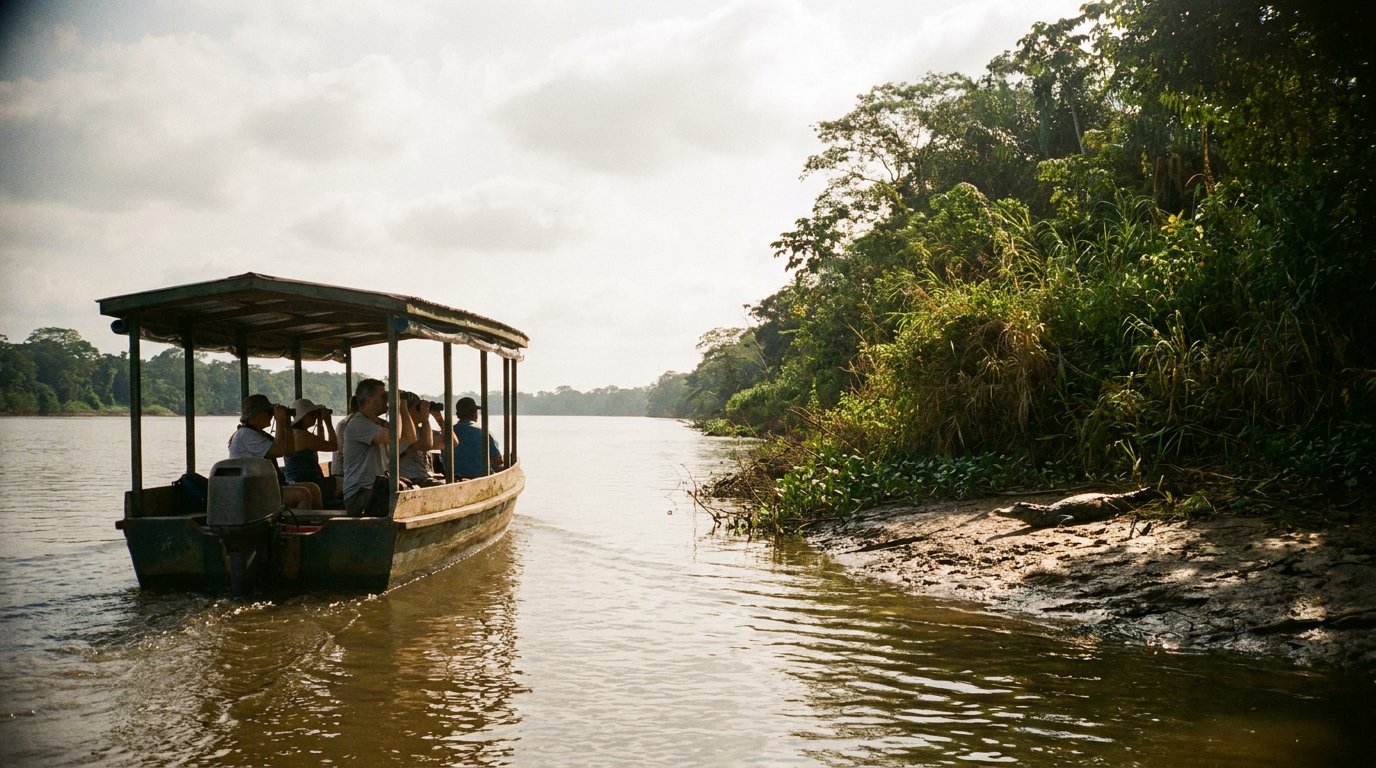
| About a 1.5-hour drive from us, this wetlands paradise is at its best in the green season. High water levels allow boats to navigate deeper into the refuge, bringing you closer to caimans, river turtles, monkeys, and an incredible array of water birds like spoonbills and storks. | Just an hour's drive away, the rainforest around Río Celeste is breathtakingly green and lush. While a very heavy rain can temporarily dilute the river's famous blue color, it's often still bright turquoise, and the powerful waterfall is at its most impressive. |
These trips offer a different perspective on the region's biodiversity. A boat tour in Caño Negro is particularly relaxing and rewarding, making it one of the best day trips from the Arenal area.
Don't let the forecast deter you. The green season is a time of abundance, life, and vibrant color. It's when the rainforest truly feels alive, and for anyone hoping to see Costa Rica's incredible wildlife, it’s one of the most rewarding times to be here. We hope to welcome you soon!
Common questions
- Are mosquitoes really bad in the green season?
- They are more present than in the dry season, but it's very manageable. We recommend using repellent and wearing long sleeves at dawn and dusk. At Casa Venado, the bedrooms have air conditioning and are well-sealed to ensure a comfortable night's sleep.
- What is the best time of day to see wildlife in August?
- Early morning, from about 6 AM to 9 AM, is a fantastic time for both birds and mammals. The hours just after an afternoon shower are also great for bird activity. For frogs and other amphibians, a guided night walk is essential.
- Will we see animals from the house itself?
- Absolutely. The deck at Casa Venado is a prime spot for birdwatching—toucans, parrots, and dozens of hummingbirds are daily visitors. You can also often spot coatis and agoutis on quiet walks along the country lanes right outside the door.
- Do we need a guide to see wildlife in Arenal?
- While you'll certainly see some animals on your own, a professional guide is invaluable. They can spot well-camouflaged animals like sloths, vipers, and tiny glass frogs that you would otherwise walk right past. For night walks, a guide is a must.
- Is it worth visiting Río Celeste in the green season?
- Yes, it's a wonderful time to go. The rainforest in Tenorio Volcano National Park is incredibly lush. While a major storm can temporarily affect the water's color, it's often still beautifully blue, and we can help you check conditions before you make the 60-minute drive.