A Guide to a Day Trip to Caño Negro Wildlife Refuge
2026-07-22 · 7 min read
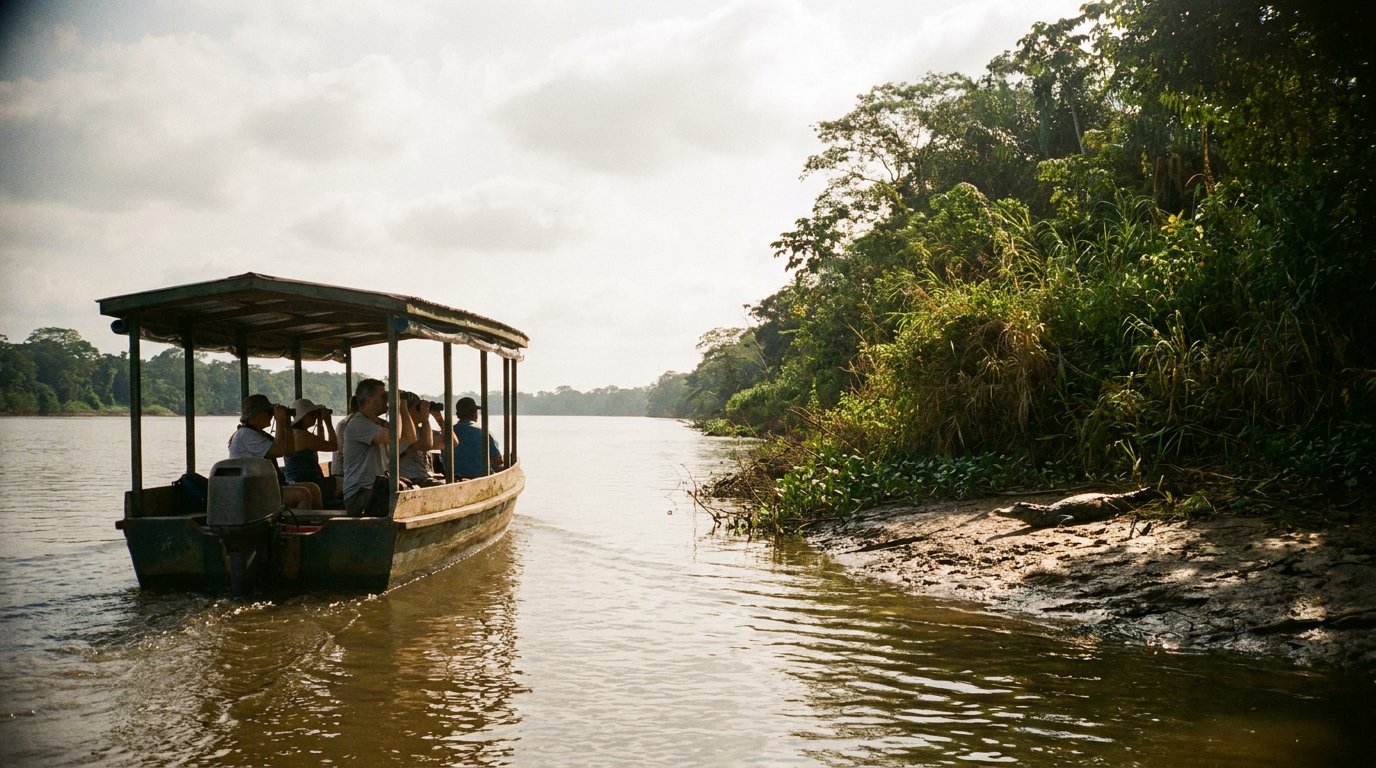
A day trip to Caño Negro Wildlife Refuge from the Arenal area is a full-day excursion centered on a guided boat tour through pristine wetlands near the Nicaraguan border. It's an excellent choice for visitors who want to see abundant aquatic wildlife, like caimans and river birds, that isn't commonly found around the volcano.
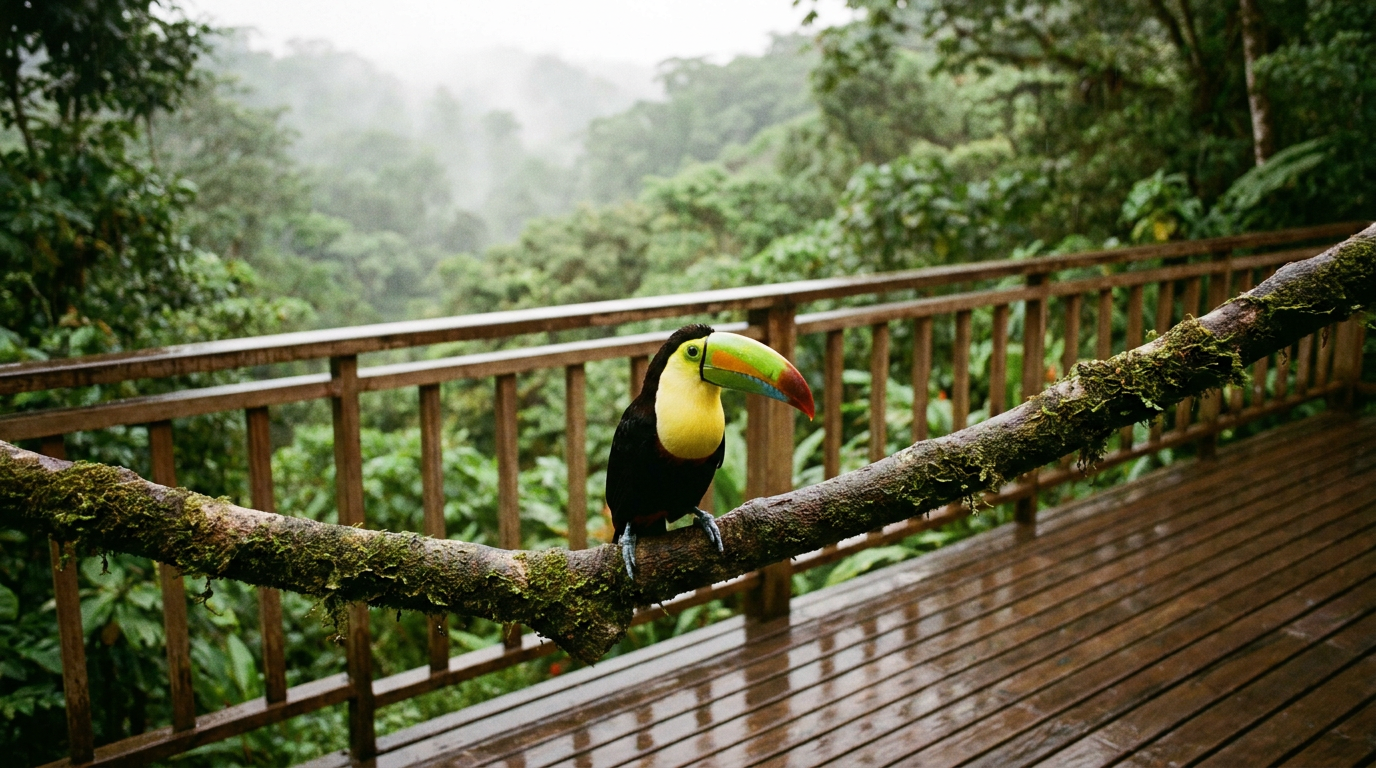
We love the quiet mornings on our deck, watching toucans and parrots fly against the backdrop of Arenal Volcano. But for those who want to see a completely different side of Costa Rica's wild heart, we always suggest a day trip north to the incredible Caño Negro Wildlife Refuge.
What Makes Caño Negro So Special?
While the area around Casa Venado and La Fortuna is defined by rainforests and volcanic landscapes, Caño Negro is a world apart. It’s one of the most important wetland and marshland ecosystems in Central America, a sprawling 25,000-acre refuge of lagoons, rivers, and seasonal floodplains just a few kilometers shy of the Nicaraguan border.
This isn't a place for strenuous hiking. The entire experience revolves around the water, specifically the Río Frío. A slow-moving boat becomes your floating hide, allowing you to glide quietly past animals in their natural habitat without disturbing them. It’s a photographer’s and birdwatcher’s paradise, offering a different pace and perspective on Costa Rican wildlife.
Wildlife You Can Expect to See
Caño Negro is a showcase for species that thrive in and around fresh water. While no wildlife sighting is ever guaranteed, your chances are incredibly high for spotting a remarkable variety of animals. On a typical tour, your guide will point out:
- Reptiles: Spectacled Caimans sunning on the riverbanks are a near-certainty. You'll also likely see river turtles, Green Iguanas, and the famous Basilisk Lizards, often called “Jesus Christ Lizards” for their ability to run across water.
- Mammals: All three common monkey species are here. Listen for the booming call of the Mantled Howler Monkey, and keep an eye out for White-Faced Capuchins and acrobatic Spider Monkeys in the riverside trees. You might even spot a three-toed sloth moving slowly in the canopy.
- Birds: The birdlife is simply staggering. Caño Negro is a critical habitat for both resident and migratory birds. Look for Anhingas drying their wings, stately Roseate Spoonbills, massive Jabiru storks, and multiple species of kingfishers, herons, and egrets. It’s a truly world-class birdwatching destination.
Guided Tour vs. Driving Yourself
For 99% of visitors, taking an organized tour is the best way to experience Caño Negro. The logistics of getting to the remote docks and hiring a private boat can be complicated. Here’s how the two options stack up:
| Guided Tour (Recommended) | Driving Yourself |
|---|---|
| All-inclusive convenience. Transport from a meeting point, a certified naturalist guide, the boat tour, and lunch are all handled for you. | Complete flexibility on timing. You can start and end your day when you please, and stop along the way. |
| Expert guidance. A trained guide is invaluable for spotting camouflaged animals and explaining the ecosystem. You’ll see ten times more with a guide than without. | Can be less predictable. You must drive to a small town like Los Chiles, find the public dock, and negotiate with a local boat captain for a tour. |
| No driving fatigue. It's a long day trip, and having a professional driver allows you to relax and enjoy the scenery on the 1.5-2 hour drive each way. | You are responsible for all logistics, including finding a reputable boat operator and ensuring the boat is safe and properly equipped. |
What a Typical Day Trip Looks Like
A day trip to Caño Negro is a full, but very rewarding, day. From Casa Venado, the drive to the main boat launch area is about 1.5 to 2 hours. Most tours follow a similar, well-paced schedule.
- Early Morning Start: Most tours pick up or meet in the La Fortuna area between 7:00 and 7:30 AM. You’ll drive north, watching the landscape shift from rolling hills to flat agricultural plains.
- Mid-Morning Boat Tour: You'll arrive at a private dock or the main pier in Los Chiles around 9:30 AM. After a quick break, you’ll board a comfortable, covered pontoon boat and begin your 2 to 3-hour journey on the Río Frío.
- Guided Wildlife Spotting: Your guide will navigate the river, pointing out wildlife you would almost certainly miss on your own. The pace is slow and quiet, perfect for observation and photography.
- Typical Lunch: After the tour, you’ll head to a nearby restaurant for a traditional Costa Rican lunch, usually a casado (rice, beans, salad, and a choice of protein), which is almost always included in the tour price.
- Afternoon Return: You’ll get back on the road and arrive back in the La Fortuna area in the late afternoon, usually between 3:30 and 4:30 PM, tired but full of amazing sights.
What to Pack for Your Caño Negro Adventure
Preparation is simple but key for enjoying your day on the river. The boats are covered, offering protection from sun and light rain, but you’ll still want to be prepared.
- Binoculars are essential. This is the single most important item for getting great views of birds and distant animals.
- Lightweight clothing, preferably long sleeves and pants for sun and insect protection.
- A reliable rain jacket, especially during the green season. Showers can pass through quickly. (See our full guide on what to pack for Costa Rica's green season.)
- Sunscreen, a wide-brimmed hat, and sunglasses. The reflection off the water can be intense.
- Insect repellent.
- Your camera with a good zoom lens and extra batteries.
- A reusable water bottle.
- A small amount of cash for tips for your guide and driver.
Is This Day Trip a Good Fit for Your Group?
Caño Negro is a fantastic trip for many, but it's not for everyone. It's best suited for multi-generational families, nature lovers, and anyone with a passion for birdwatching or wildlife photography. The boat tour itself is very low-impact and accessible to nearly all fitness levels.
However, the main consideration is the length of the day. It involves a significant amount of travel time. While the scenery is interesting, it can be a long time in a vehicle for very young children. If your family prefers more active, hands-on adventures, you might consider sticking closer to the volcano. We have lots of ideas in Our 5-Day Arenal Itinerary for Families that require less driving.
After a long day of travel and incredible sightseeing, returning to the peace of the countryside is a welcome feeling. Unwinding on the deck with a cool drink as the sun sets over the valley is the perfect way to reflect on the amazing biodiversity you’ve just witnessed.
If a day spent on the river surrounded by Costa Rica's most impressive water-loving wildlife sounds like a dream, we are happy to help you arrange a tour with a trusted local operator during your stay. Just ask!
Common questions
- How far is Caño Negro from Casa Venado?
- The main boat launch for Caño Negro tours, near Los Chiles, is about a 1.5 to 2-hour drive from Casa Venado. We recommend a full day for this incredible excursion.
- Do we need to book a Caño Negro tour in advance?
- Yes, we strongly recommend it. Tours can fill up, especially during peak season. We are happy to help you book with a reputable local company once you've settled on your dates.
- Is the boat tour suitable for young children or older adults?
- Absolutely. The boat tour is on a calm river in a stable, covered boat. It's a seated activity, making it very accessible for older adults, and engaging for school-aged children who love animals.
- What's the difference between wildlife at Caño Negro vs. near Arenal?
- Arenal is known for rainforest wildlife like sloths, monkeys, and toucans in the trees. Caño Negro specializes in aquatic and semi-aquatic animals—it's the best place to see caimans, river turtles, and a huge variety of water birds you won't find near the volcano.
- Do we need a 4x4 to get to the tour starting point?
- No. If you are on a guided tour, they provide transportation. If you choose to drive to the meeting point in Los Chiles, the roads are paved and a 4x4 is not necessary for this specific trip.