Birdwatching for Beginners: Spotting Toucans & Hummingbirds from Our Deck
2026-07-11 · 6 min read
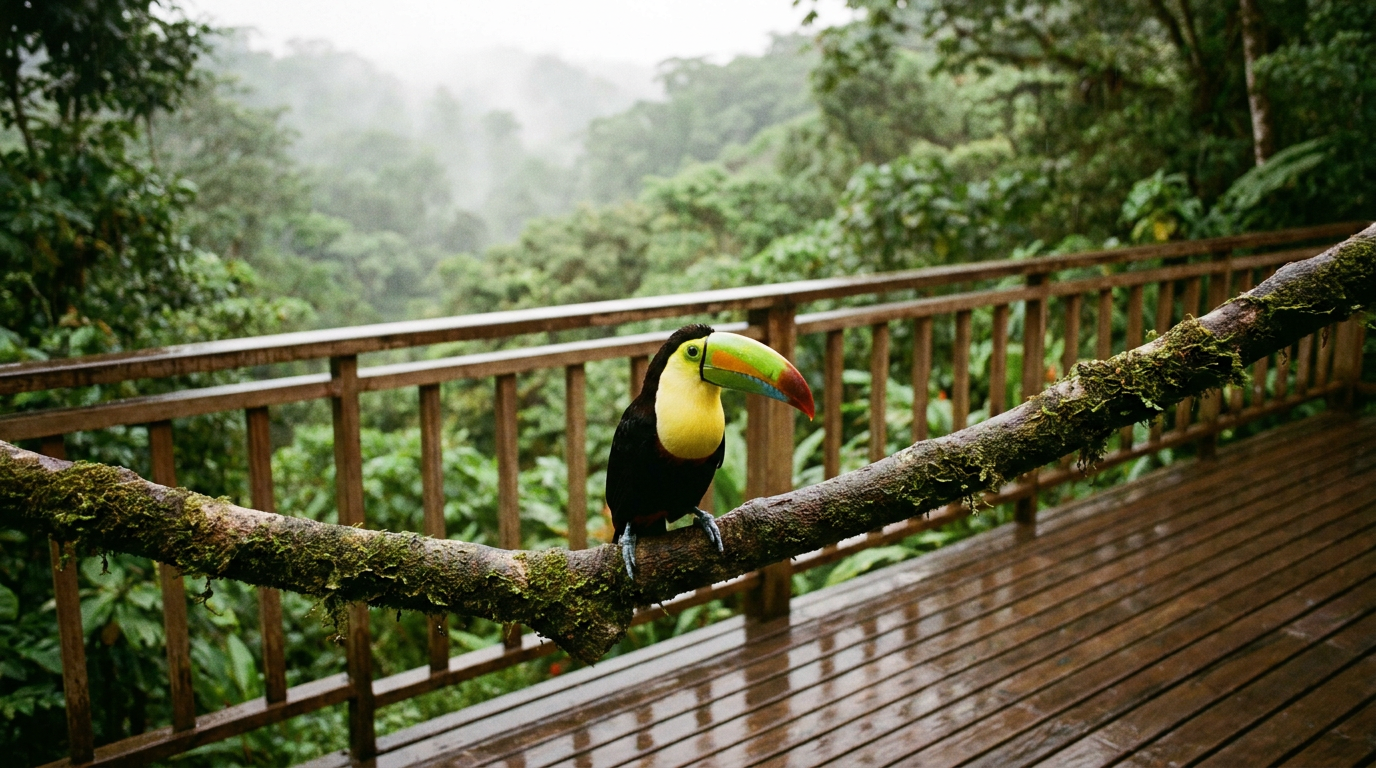
Birdwatching in Costa Rica doesn't have to mean trekking deep into the jungle before dawn. From the deck at Casa Venado, you can enjoy world-class birding with a cup of coffee in hand. The most common spectacular sights are Keel-billed Toucans and Montezuma Oropendolas, especially during their morning flights across the valley.
One of the simplest, most profound joys of being here is watching the day begin from our deck. The air is cool, the coffee is hot, and the valley below awakens with a chorus of unfamiliar and wonderful sounds. Then, a flash of impossible color—a Keel-billed Toucan landing in a nearby tree. This isn't a rare event; it's just a Tuesday. We wanted to share how anyone, even a total beginner, can tap into this magic.
Why Our Deck is a Perfect Spot for Beginner Birders
You don't need to be a seasoned ornithologist with a life list and a spotting scope to have an incredible birdwatching experience here. Our location in the hills above Venado does most of the work for you. The house is situated in a way that creates a natural theater for bird activity.
The deck overlooks a wide valley, providing a broad, open flyway for birds traveling between feeding and roosting spots. You see them at eye-level and from above, which is a unique perspective. The mix of pastureland, dense tree lines, and flowering plants on the property attracts a huge variety of species. It’s an “ecotone,” a place where different habitats meet, and these are always hotspots for wildlife.
The “Big Five” You Can See Without Leaving Your Chair
While there are hundreds of species in the area, a few colorful characters are regulars. Keep an eye out for these five and you'll feel like an instant birding pro.
- Keel-billed Toucan: The celebrity. This is the toucan you see on postcards, with its astounding rainbow beak. They often travel in pairs or small family groups and make a croaking, frog-like call.
- Chestnut-mandibled Toucan: The Keel-billed's bigger, bolder cousin. Their call is a higher-pitched, yelping sound. Their yellow and maroon bill is massive and just as impressive.
- Montezuma Oropendola: Famous for two things: its bizarre, gurgling call and its incredible hanging nests. You’ll see colonies of these woven nests dangling from large trees, a true feat of engineering.
- Red-lored Parrot: You will almost certainly hear them before you see them. They travel in chatty, raucous groups, their bright green and red plumage flashing as they fly overhead.
- Great Kiskadee: A bold, handsome flycatcher with a bright yellow belly and a bandit-like mask. They have a loud, cheerful call that sounds like they’re shouting their own name: kis-ka-DEE!
Hummingbird Central: A Closer Look
While the toucans steal the show, the hummingbirds provide constant entertainment. We keep feeders to help supplement their diet, and they attract a flurry of activity. The most common visitor is the Rufous-tailed Hummingbird, a feisty little creature with a green body and coppery tail that guards the feeders fiercely.
Sit quietly on the deck for just a few minutes, and you'll start to notice others. You might see the brilliant, deep purple of a male Violet Sabrewing, one of the largest hummingbirds in the country. Or the shimmering Green-crowned Brilliant, another frequent visitor. Watching them hover, zip, and chase each other is mesmerizing and a highlight for many of our guests, especially kids.
What You Really Need for Birding Here
Packing for a birding trip can seem intimidating, but for enjoying the wildlife from the deck, you need very little. Here's a simple checklist of what will make your experience better.
- A decent pair of binoculars. This is the single most important item. You don't need a high-end pair; a basic 8x42 or 10x42 set will bring the birds into sharp, colorful focus.
- A bird ID app. We highly recommend the Merlin Bird ID app from the Cornell Lab of Ornithology. It’s free and can even identify birds by their songs—an incredible tool for beginners.
- A hat and comfortable clothes. The morning sun can be strong, even when it’s cool.
- Patience. The real key is to sit still, watch, and listen. The longer you relax on the deck, the more you'll see as the wildlife gets used to your presence.
Of course, if you're planning a trip during the green season, a light rain jacket is always a good idea. For more tips, check out our guide on what to pack for Costa Rica's green season.
Beyond the Deck: Birding on a Countryside Walk
When you’re ready for a change of scenery, a simple walk down the quiet country lanes around our private home reveals a different set of birds. The species that prefer open pastures and scrubby fence lines are easier to spot here.
Look for different types of hawks perched on fence posts, tiny flycatchers darting out to catch insects, and flocks of Groove-billed Anis foraging in the grass near cattle. It’s a wonderful way to see how the avian life connects with the rural, agricultural landscape of Venado. This is also a great time to spot other creatures; for more on that, see our guide to spotting sloths, monkeys, and other wildlife.
Taking It to the Next Level: Guided Birding
For those who catch the birding bug and want to go deeper, hiring a local guide is the best next step. A guide’s trained eyes and ears will spot birds you would never see on your own, and they can take you to specific local hotspots for target species. Some of the best birding destinations in the Arenal region are just a day trip away.
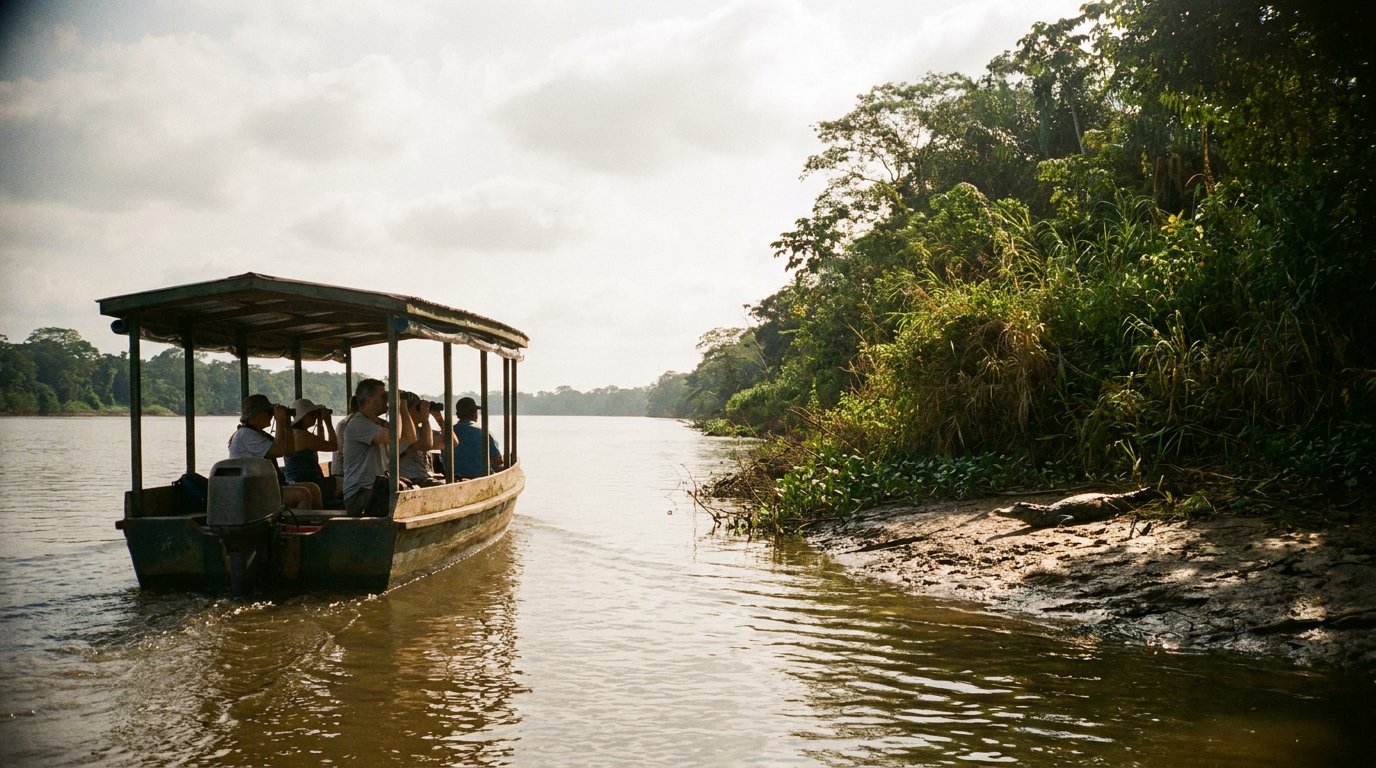
We are happy to help you connect with a wonderful local guide who can arrange a private tour, whether you want to explore the trails of the Arenal Volcano area or take a boat trip through the wetlands of Caño Negro Wildlife Refuge. Just let us know.
Whether you spend your whole trip on the deck or venture out with a guide, we hope you find as much joy in the daily parade of birds as we do. It’s a constant, colorful reminder of the vibrant life that fills this corner of Costa Rica.
Common questions
- What time of day is best for birdwatching at Casa Venado?
- The best times are early morning, from about 6:00 to 8:00 AM, and again in the late afternoon from 4:00 to 5:30 PM. This is when birds are most active, feeding and moving between roosting spots right from the deck.
- Do we need to bring our own binoculars?
- We strongly recommend it. While we may have a spare pair at the house, having your own ensures everyone in your group gets a great view. A simple 8x42 pair is perfect for watching from the deck.
- Are toucan sightings guaranteed?
- While we see them most days, they are wild animals with their own schedule! Keel-billed and Chestnut-mandibled Toucans are very common in the trees around the house, but we can't promise a sighting on any specific day.
- Is Casa Venado good for birdwatching with kids?
- Absolutely. The ease of watching spectacular birds like toucans right from the deck is perfect for short attention spans. It's a huge thrill for all ages and a great, low-stress way to introduce them to wildlife.
- What birds can we see during the green season (May-November)?
- The green season, which runs from May through November, is a fantastic and vibrant time for birding. Resident birds like toucans, parrots, and oropendolas are very active, and many species are nesting, making them even more vocal and visible.